How Local SEO Helps Restaurants and Hospitality Businesses Get Found

When people are hungry, they usually do not spend much time researching. They search quickly, compare a few options, and choose the place that looks the most relevant, convenient, and trustworthy. That is exactly why local SEO matters for restaurants. Google says local results are mainly based on relevance, distance, and prominence, so a restaurant’s visibility depends on how well it matches the search, how close it is to the person searching, and how established it appears online.
For restaurants, local SEO is not just about showing up for your business name. It is about appearing when someone searches for things like “lunch near me,” “best tacos in Tampa,” “family restaurant in Winter Haven,” or “brunch near downtown.” A strong local presence helps your restaurant get discovered by people who are already looking for a place to eat, order from, or visit. That makes local SEO one of the most practical forms of digital marketing in hospitality.
One of the biggest mistakes restaurants make is relying only on a Google Business Profile while neglecting the website. Your profile matters, but your website is what helps support it. Google’s guidance recommends using the words people actually search for in prominent places on the page, such as titles, headings, alt text, and links. If your restaurant website clearly explains what you offer, where you are located, and what makes the experience worth visiting, it becomes much easier for search engines to connect your business to local search intent.
That means a restaurant website should do more than look attractive. It should clearly present the menu, location, hours, ordering options, reservation information, catering details, and the experience guests can expect. Google’s restaurant guidance specifically points restaurant owners to manage details like attributes, menu content, menu URLs, and photos of the dining experience. A complete and accurate online presence helps Google better understand the business and helps diners make decisions faster.
Menus are especially important in restaurant local SEO. Google allows restaurants to manage menu content, upload menu PDFs or photos, and create detailed menu sections with dishes, descriptions, and prices. When this information is current and easy to access, it improves the experience for both customers and search engines. A restaurant with an outdated menu, broken links, or missing dish information creates friction that can cost real business.
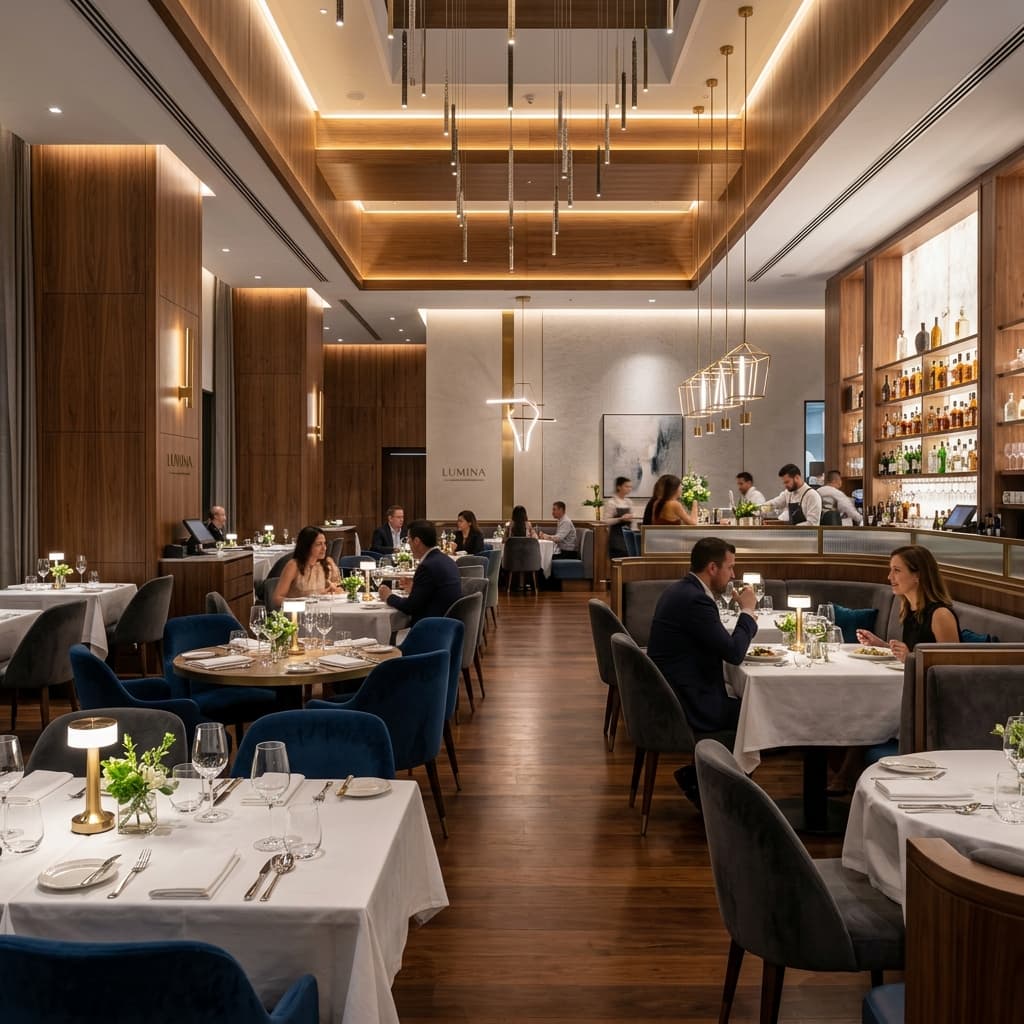
Photos also play a bigger role than many restaurant owners realize. Google recommends adding photos and videos to make a profile more attractive to customers, and for food and drink businesses it specifically recommends showcasing food and drink photos to help customers plan where to eat. Good visuals help people trust what they are seeing, and they support the overall quality of your digital presence. In hospitality, that matters because guests often choose with their eyes before they ever read the full menu.
Another key piece is content. Helpful content gives a restaurant more chances to appear for the questions and searches diners are already making. Google advises creating helpful, reliable, people first content rather than content designed mainly to manipulate rankings. For a restaurant, that can mean publishing blog content about catering availability, seasonal specials, private dining, local event dining, chef features, neighborhood dining guides, or tips on planning group meals. Done well, this kind of content supports core pages while helping the site rank for more long tail local searches.
This is where a restaurant blog becomes powerful. A blog should not exist just to fill space. It should support the real services and experiences the restaurant wants to promote. For example, a post about how to choose a catering menu for a corporate lunch can support a catering page. A post about where to eat before a local event can support both location relevance and dining intent. A post about outdoor dining, brunch, holiday meals, or seafood by the waterfront can help the restaurant connect with the kinds of searches diners actually make in specific areas. That gives the website more depth and gives Google more context about what the business offers.
Internal linking also matters. Google uses links to discover pages and understand relevance, so blog posts should naturally link to important pages like the main menu, reservations, catering, private events, contact page, and location details. This helps search engines crawl the site more effectively and helps visitors move from discovery to action without confusion. For a restaurant, that can directly support more bookings, calls, and online orders.
Restaurants should also make sure their business information stays accurate across the web. Google explains that complete and detailed Business Profile information helps improve relevance. That means categories, hours, descriptions, services, menu links, and photos should all stay current. Restaurant owners often focus on design first, but consistency and accuracy are just as important. A beautiful website cannot fully make up for incorrect hours, weak descriptions, or missing menu information.
The goal of local SEO for restaurants is not simply more traffic. The real goal is more qualified local traffic from people who are likely to dine, order, reserve, or inquire. A restaurant that combines a strong website, a complete Google Business Profile, clear menu access, quality photos, and useful content is in a better position to compete when nearby diners are ready to choose a place to eat. Google’s guidance stays consistent on this point: make your content useful, clear, and built for real people.
For restaurants and hospitality brands, local SEO is not an extra. It is part of how modern guests discover where to go next. When your digital presence is strong, you make it easier for nearby diners to find you, trust you, and take action. That is what turns search visibility into real business.