Why Your Restaurant Website Matters More Than Ever

Why Your Restaurant Website Matters More Than Ever: 30-Second Takeaways
- ●A strong restaurant website helps guests find key information fast, improves local visibility, and drives more direct orders, reservations, and inquiries.
- ●Your website supports local SEO and helps your restaurant show up in nearby searches.
- ●Mobile-friendly design makes it easier for diners to take action on the go.
- ●Clear calls to action can lead to more direct orders, reservations, and catering inquiries.
- ●An outdated website can cost your restaurant visibility, trust, and conversions.
A restaurant website is no longer just a digital placeholder. It plays a direct role in how guests discover your business, judge your brand, and decide whether to visit, order, or book. In a world where diners expect quick answers and smooth online experiences, your website often shapes the first impression before a guest ever steps through the door.
Many restaurants still rely too heavily on third-party platforms or social media pages to carry their online presence. Those channels matter, but they should not replace a strong website. Your website is the one place where your brand, menu, story, and guest experience all come together in one controlled environment. It is also one of the most important tools for helping search engines understand what your restaurant offers and where you are located.
When a potential guest lands on your site, they are usually looking for something specific. They may want to view the menu, check your hours, find your location, place an order, make a reservation, or see if you offer catering. If that information is hard to find or outdated, the chances of losing that guest increase fast. Restaurant websites need to be built for clarity, speed, and convenience because every extra second of confusion creates friction.
A strong website also supports local SEO. Search engines use the information on your website to better understand your business, services, and location. A site that clearly explains what type of restaurant you are, what you serve, and what area you serve gives you a stronger chance of appearing in local searches. That matters when people are searching for terms like seafood restaurant near me, waterfront brunch in Tampa Bay, or catering for office lunch in St. Pete.
Beyond visibility, your website also supports conversions. Great restaurant websites guide guests toward action. That could mean clicking to order online, calling for catering, booking a reservation, or getting directions. The design should not just look good. It should make those next steps easy. Clear calls to action, mobile-friendly layouts, and organized page structure all help turn traffic into real business.
Menu presentation is another major factor. Guests want to browse quickly and confidently. A menu should be easy to read on mobile, easy to update, and visually aligned with the brand. If guests have to pinch, zoom, or dig through an outdated PDF just to figure out what you serve, the experience already feels behind. A modern menu experience helps set the tone before the first bite.
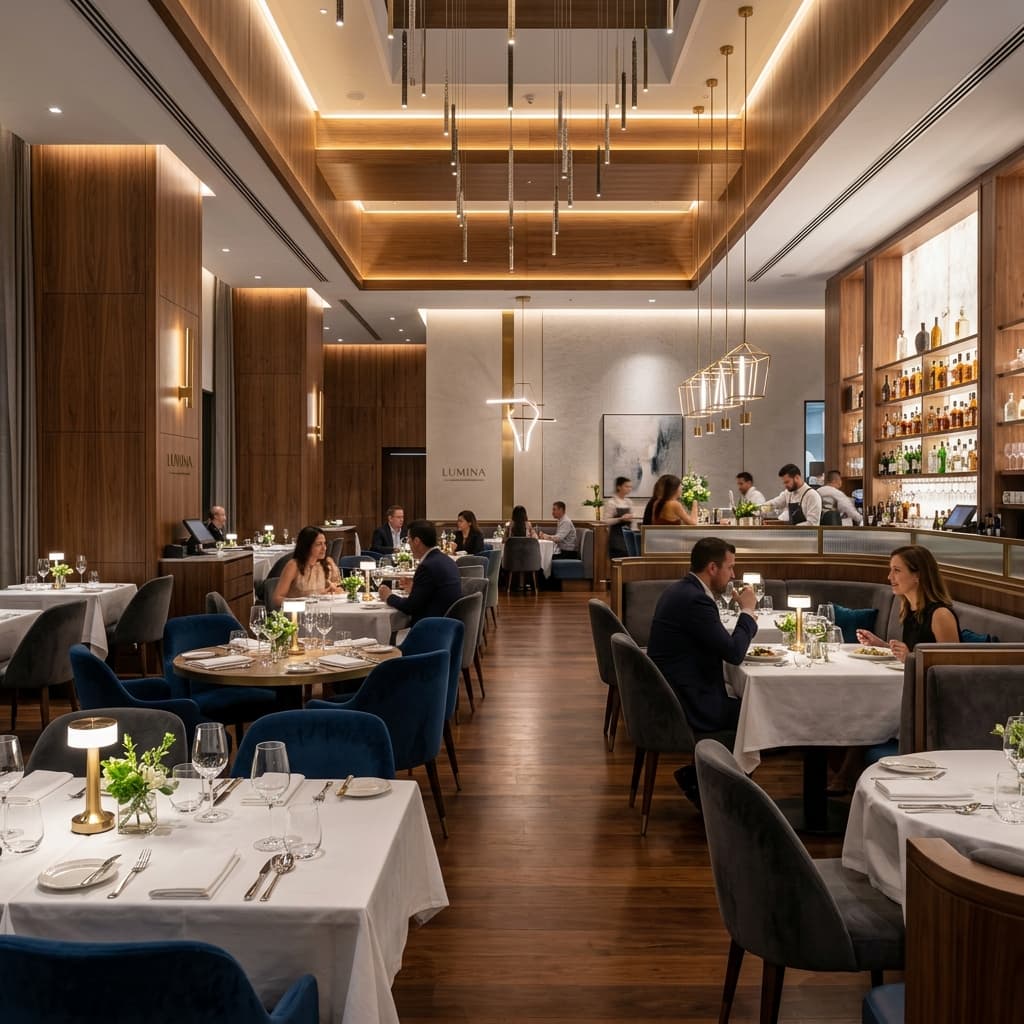
Photography also plays a major role. High-quality images of food, drinks, interiors, and atmosphere help guests picture the experience before they arrive. This is especially important in hospitality, where people often choose based on emotion and presentation. Your website should help guests imagine the visit, not just read about it.
For restaurants that offer more than dine-in service, the website becomes even more valuable. Catering, private events, reservations, and online ordering all need dedicated pathways. These services should not feel buried or secondary. If they matter to the business, they should be clearly built into the structure of the site so guests can take action without extra effort.
Another reason restaurant websites matter more than ever is ownership. Social media algorithms change. Third-party platforms take fees. External listings are limited in how much of your story they can tell. Your website is your home base. It is where you control the message, the user experience, and the path to conversion. That kind of ownership becomes more valuable over time, especially as restaurants look for more direct business and stronger brand identity.
A well-built restaurant website is not just a nice extra. It is part of the business. It supports search visibility, guest trust, brand presentation, and direct revenue opportunities. Restaurants that invest in a better website put themselves in a stronger position to compete, connect, and grow in a digital-first world.
If your website is outdated, difficult to update, or not helping convert visitors into guests, it may be holding your business back more than you realize. A restaurant website should work as hard as the team behind the scenes. When it does, it becomes one of the most valuable marketing tools your brand has.